Libya Flood: Heart Wrenching Aftermath
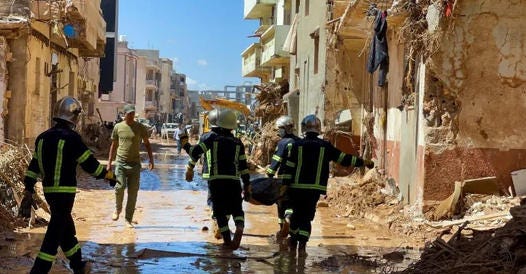
NEWS SOURCE: PRESS XPRESS
In recent years, Libya has been facing a series of natural disasters that have caused significant damage to the country’s infrastructure, economy, and most importantly, the people’s lives. The recent floods that have occurred in various parts of Libya have caused a heart-wrenching aftermath, leaving many families displaced and struggling to make ends meet. The impact of such natural disasters can be devastating, and it is essential to understand the extent of the damage caused by these floods.
The Libyan government has been trying to cope with the situation by providing assistance to the affected areas, but the scale of the disaster is overwhelming. The floods have destroyed homes, businesses, and infrastructure, leaving many communities in a state of despair. The country’s already fragile health system has also been impacted, with the risk of water-borne diseases and other illnesses increasing.
In this blog post, we’ll delve into the heart-wrenching aftermath of the Libya flood, shedding light on the extent of the damage caused, and the efforts being made
Devastation caused by flooding
Flooding is a natural disaster that can have severe and devastating impacts on communities and infrastructure. The effects of flooding can range from loss of life and property damage to long-term economic impacts. Flood waters can cause erosion, damaging building foundations, roads, and bridges. Significant rainfall can also cause flash flooding, which can be particularly destructive due to its rapid onset. In addition to the physical damage caused by flooding, there are also significant financial and emotional costs associated with recovery efforts. It is essential to have comprehensive disaster management plans in place to mitigate the impact of flooding and minimize the devastation it can cause.
Humanitarian crisis in Libya
The humanitarian crisis in Libya has been ongoing since the 2011 uprising that resulted in the overthrow of former leader Muammar Gaddafi. The country is now plagued by violence, political instability, and economic turmoil, which has left many Libyans struggling to access basic necessities such as food, water, and healthcare. The conflict has also resulted in the displacement of over 400,000 people, with many seeking refuge in neighboring countries. The situation is further exacerbated by the COVID-19 pandemic, which has placed additional strain on the country’s fragile healthcare system. It is imperative that the international community provides support and aid to address this crisis and alleviate the suffering of the Libyan people.
Lives lost and homes destroyed
Lives lost and homes destroyed are devastating events that can occur due to natural disasters, conflicts, and other tragedies. These events have profound impacts on families, communities, and entire regions. It is important to acknowledge the gravity of such losses and to offer support and resources to those affected. This can include providing aid for immediate needs such as food, shelter, and medical care, as well as assistance in rebuilding homes and communities. It is crucial to approach discussions about lives lost and homes destroyed with empathy and sensitivity, recognizing the profound impact these events can have on individuals and communities.
Response efforts from aid organizations
There has been an increasing number of natural disasters and humanitarian crises around the world, leading to a growing need for aid organizations to respond quickly and efficiently to provide relief to affected populations. These organizations have played a critical role in providing necessary resources, such as food, water, shelter, and medical care, to those impacted by these events. The response efforts put forth by aid organizations have been instrumental in mitigating the negative impacts of these disasters, including reducing the number of casualties and preventing further displacement. Despite the challenges faced in these situations, aid organizations have continued to demonstrate their commitment to supporting those in need and have made a positive impact in many communities.
Urgent need for global support.
The need for global support has become increasingly urgent in recent years. With the rise of global challenges such as climate change, poverty, and inequality, it is clear that concerted efforts are needed to tackle these issues. The urgency of this need cannot be overstated. It requires collaboration and cooperation between nations, organizations, and individuals to address the root causes of these challenges and implement sustainable solutions. The consequences of inaction are dire, with the potential to impact the lives of millions of people around the world. Therefore, it is crucial that we come together to provide urgent global support to address these challenges and create a better future for all.
conclusion
In conclusion, the devastation caused by flooding in Libya has left the country in a humanitarian crisis. Many lives have been lost and homes destroyed, leaving families with nothing but the clothes on their backs. Aid organizations have been working tirelessly to respond to the crisis, but their efforts alone cannot solve this problem. It is an urgent need for global support to provide the necessary resources for a sustainable solution. We must all come together to support those affected and prevent future disasters from causing similar devastation. It is our collective responsibility to ensure that every individual has access to basic human needs, including shelter, food, and clean water. Together, we can make a difference and help those in need.


Comments
Post a Comment